

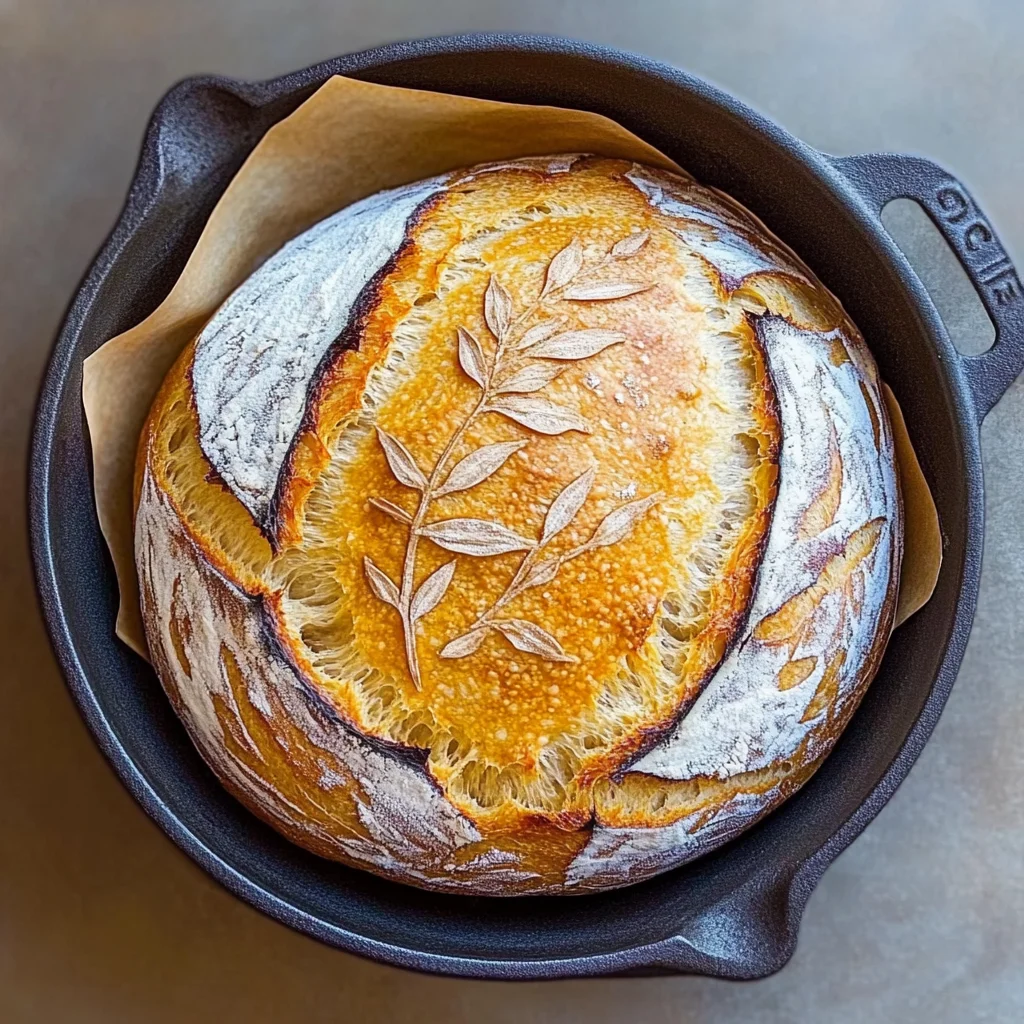
The moment you crack open a freshly baked loaf of sourdough bread, the warm, tangy aroma envelops you like a cozy hug from an old friend. With its golden-brown crust that crackles under your fingertips and the soft, chewy interior just waiting to be slathered with butter, this sourdough bread recipe is not just food—it’s an experience that dances on your taste buds.
I still remember the first time I attempted this recipe; flour flew everywhere, my kitchen looked like a bakery explosion, and yet, the joy of pulling that perfect loaf from the oven made it all worthwhile. Whether it’s for a lazy Sunday brunch or a festive gathering, this sourdough bread will elevate any occasion and leave everyone begging for seconds while you bask in the glory of your baking triumph.
Why Is Sourdough Bread Recipe So Irresistibly Good?
Deliciously crusty on the outside and softly chewy on the inside, this sourdough bread is a true delight. Simple ingredients like bread flour, water, and an active sourdough starter come together to create layers of flavor. With just 240 minutes of preparation, you’ll be rewarded with a warm loaf that’s perfect for sandwiches or simply slathered with butter. Plus, it’s a crowd-pleaser at gatherings, ensuring everyone will be asking for seconds! Enjoy the satisfaction of baking your own bread with this easy yet impressive recipe!
Sourdough Bread Recipe Ingredients
- 500 grams bread flour – This forms the backbone of your loaf, providing structure and chewiness.
- 350 grams water (room temperature) – Essential for hydrating the flour and activating the sourdough starter.
- 100 grams sourdough starter (active) – A lively starter gives your bread that delightful tang and helps it rise beautifully.
- 10 grams salt – Enhances flavor while also regulating yeast activity for a perfectly risen loaf.
Step-by-Step Sourdough Bread Recipe
1. Combine In a large mixing bowl, combine 500 grams of bread flour and 350 grams of room temperature water. Mix until no dry flour remains, creating a shaggy dough that’s inviting to touch.
2. Incorporate Next, add 100 grams of your active sourdough starter and 10 grams of salt into the mixture. Mix thoroughly until all ingredients are fully incorporated, forming a cohesive dough.
3. Rest Cover the bowl with a damp cloth or plastic wrap and let it rest for 30 minutes. This short break allows the flour to hydrate and the gluten to begin developing.
4. Stretch and Fold Over the next 2-3 hours, perform stretch and folds every 30 minutes. Gently pull one edge of the dough up and fold it over itself; this helps build strength in your Sourdough Bread Recipe.
For Shaping and Proofing:
5. Shape Once the dough has risen beautifully, shape it into a round loaf. Place it in a floured proofing basket, ensuring it’s well-coated to prevent sticking.
6. Proof Cover the basket and let it proof for 2-4 hours at room temperature, or pop it in the fridge overnight for deeper flavor development. The dough should become puffy and airy.
For Baking:
7. Preheat Preheat your oven to 450°F (232°C) with a Dutch oven inside. This ensures that when you bake, you create that desirable crusty exterior we all love.
8. Transfer Carefully transfer the dough into the hot Dutch oven, taking care not to burn yourself. The sizzle when it hits will make your mouth water!
9. Bake Cover and bake for 30 minutes, then uncover and bake for an additional 15-20 minutes until the loaf is golden brown and sounds hollow when tapped on the bottom.
Optional: Serve warm with butter for an irresistible treat!
Exact quantities are listed in the recipe card below.
Expert Tips
- Hydration Matters: Ensure your water is at room temperature to facilitate proper fermentation and dough consistency in this sourdough bread recipe.
- Active Starter: Use a bubbly, active sourdough starter for best results; if it hasn’t doubled in size within 4-6 hours of feeding, it might not be strong enough.
- Rest Time: Don’t skip the 30-minute rest after mixing; it allows gluten to develop, improving the dough’s structure for your sourdough bread recipe.
- Stretch and Fold: Be consistent with your stretch and folds every 30 minutes; this builds strength without over-kneading, crucial for that crusty loaf.
- Proofing Duration: Adjust proofing time based on room temperature; warmer environments speed up fermentation, so keep an eye on the dough.
- Dutch Oven Care: Always preheat your Dutch oven for crusty perfection; transferring cold dough can lead to denser bread rather than that airy crumb we love.
How to Store and Freeze Sourdough Bread Recipe

- Room Temperature: Keep your sourdough bread in a paper bag or a bread box for up to 3 days to maintain its crusty texture and flavor.
- Fridge: If you need to store it longer, wrap the loaf in plastic wrap and place it in the fridge for up to 7 days; however, this may soften the crust.
- Freezer: For longer storage, slice the bread and freeze it in an airtight bag for up to 3 months. Thaw slices at room temperature or toast directly from frozen.
- Reheating: To revive your sourdough bread, preheat your oven to 350°F (175°C) and warm for about 10 minutes for that fresh-out-of-the-oven taste!
Sourdough Bread Recipe Variations
Feel free to get creative with this classic recipe—your kitchen is your canvas!
- Whole Wheat: Substitute half of the bread flour with whole wheat flour for a nutty flavor and denser texture. This twist adds a wholesome touch that perfectly complements the sourdough’s tanginess.
- Herb-Infused: Add 2 tablespoons of dried herbs like rosemary or thyme into the dough for a fragrant loaf. These aromatic additions elevate your sourdough, making it a delightful companion to soups or salads.
- Seeded Crust: Mix in 50 grams of sunflower seeds or pumpkin seeds into the dough for extra crunch and nutrition. The seeds not only enhance texture but also provide a beautiful visual contrast to the crusty exterior.
- Cheesy Surprise: Fold in 100 grams of grated cheese, such as cheddar or parmesan, just before shaping the dough. The melted cheese creates pockets of gooey goodness, making each slice irresistibly savory.
- Sweet Twist: Incorporate 50 grams of honey or maple syrup into the water for a subtly sweet variation. This addition offers a unique flavor profile that pairs wonderfully with breakfast spreads or butter.
- Spicy Kick: Add 1 teaspoon of red pepper flakes for a hint of heat in your bread. This fiery twist will surprise your taste buds and can be perfect for serving alongside hearty stews.
- Olive Oil Boost: Replace 50 grams of water with olive oil for added richness and moisture. The oil enhances the crumb, creating a soft interior while maintaining that crispy crust we all love.
- Nuts & Dried Fruit: Fold in 50 grams of chopped nuts or dried fruits like walnuts or cranberries to introduce delightful textures and flavors. These additions make your sourdough perfect for snacking or as an elegant accompaniment to cheese boards.
Make Ahead Options
This classic sourdough bread recipe is perfect for meal prep, allowing you to enjoy fresh, crusty loaves with ease. You can measure out the 500 grams of bread flour and 350 grams of water in advance, making the initial mixing process quicker. After combining these ingredients, simply add the 100 grams of active sourdough starter and 10 grams of salt, then let it rest for 30 minutes. You can perform the stretch and folds every 30 minutes for up to 3 hours before shaping your dough into a round loaf. If you prefer, let it proof in the fridge overnight (up to 24 hours) instead of at room temperature for a more developed flavor. When you’re ready to serve, just preheat your oven to 450°F (232°C) with a Dutch oven inside, transfer your dough, cover it, and bake for that glorious golden finish! This way, you save time while still enjoying an incredible homemade sourdough bread recipe that brings warmth to your kitchen.
Sourdough Bread Recipe Questions Answered
What type of flour is best for this sourdough bread recipe?
Using 500 grams of high-quality bread flour is essential for achieving that perfect crust and chewy texture. You can also experiment with a mix of whole wheat or rye flour, but make sure to adjust the hydration levels slightly, as they absorb more water.
Can I use tap water instead of filtered water for the dough?
Absolutely! The 350 grams of room temperature tap water should work just fine. However, if your tap water has a strong chlorine taste, it might affect the flavor of your sourdough. Letting it sit out for a few hours can help dissipate any chlorine.
How do I know if my sourdough starter is active enough?
An active starter will double in size within 4-6 hours after feeding and have plenty of bubbles on its surface. If your 100 grams of starter meets these criteria, it’s ready to be mixed into the dough! If not, consider feeding it again and waiting a bit longer before using.
What should I do if my dough feels too sticky during stretch and folds?
If your dough is too sticky while performing stretch and folds over the 2-3 hour period, you might want to incorporate a little extra bread flour (a tablespoon at a time) until it becomes manageable. Just be careful not to add too much; you want to maintain that lovely hydration!
How should I store leftover sourdough bread?
To keep your crusty loaf fresh after baking, wrap it in a clean kitchen towel or place it in a paper bag at room temperature for up to 2 days. For longer storage, slice the bread and freeze pieces in an airtight bag—perfect for enjoying later without losing that delightful texture!
Can I adjust the servings in this recipe?
This sourdough bread recipe yields about 4 servings, each with approximately 200 calories. If you need more loaves, simply multiply the ingredient quantities while keeping the same method. Just remember that increasing batch sizes may require adjustments in proofing and baking times!
Sourdough Bread
Ingredients
Method
- In a large mixing bowl, combine the bread flour and water. Mix until no dry flour remains.
- Add the sourdough starter and salt. Mix until fully incorporated.
- Cover the bowl and let it rest for 30 minutes.
- Perform stretch and folds every 30 minutes for 2-3 hours.
- Shape the dough into a round loaf and place it in a floured proofing basket.
- Cover and let it proof for 2-4 hours at room temperature or overnight in the fridge.
- Preheat the oven to 450°F (232°C) with a Dutch oven inside.
- Carefully transfer the dough into the hot Dutch oven.
- Cover and bake for 30 minutes, then uncover and bake for an additional 15-20 minutes until golden brown.
Leave a Comment